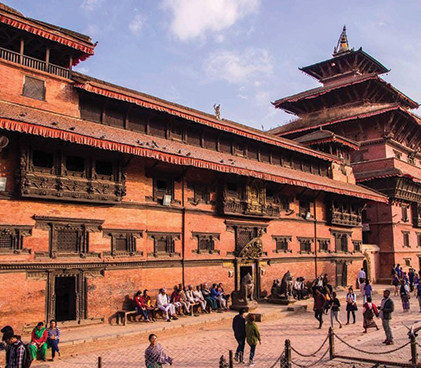
Patan Durbar Square is a UNESCO World Heritage Site located in the heart of Lalitpur. Once the royal palace of the Malla kings, it is a stunning example of Newar architecture, with intricately carved windows, courtyards, and temples all around. The square is surrounded by ancient structures that reflect the cultural richness and artistry of medieval Nepal. Today, Patan Durbar Square remains a lively cultural hub. Locals and tourists gather here to admire the heritage, attend festivals, and explore nearby temples and the Patan Museum. The square not only tells the story of the Malla era but continues to play an important role in the spiritual and social life of the city.
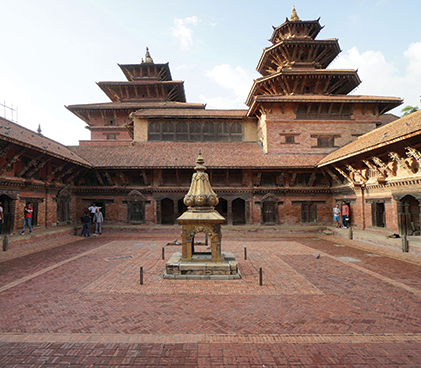
Mul Chowk is the central and largest courtyard within the Patan Durbar Square complex. It was primarily used for religious and ceremonial purposes by the Malla kings. The courtyard is enclosed by artistically designed buildings and is known for its quiet, majestic atmosphere amidst the busy square.
Inside Mul Chowk lies the sacred Taleju Temple, dedicated to the royal goddess Taleju Bhawani. This temple, accessible only to Hindus during special occasions, is considered highly important and reflects the deep connection between monarchy and spirituality during the Malla period. The temple architecture, with its detailed wood carvings, adds to the grandeur of Mul Chowk.
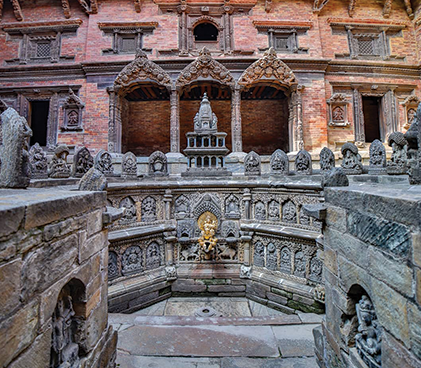
Sundari Chowk is another elegant courtyard in Patan Durbar Square, admired for its symmetrical layout and artistic design. It was used as a private bathing area for the royals and features beautiful stone and woodwork. The walls and struts are adorned with intricate carvings of gods and mythical beings.
At the center of this courtyard lies Tusa Hiti, a beautifully carved sunken water spout. It is considered one of the most exquisite examples of water architecture in Nepal. Decorated with serpents and deities, Tusa Hiti is not just a source of water but a spiritual cleansing site, used during special rituals.
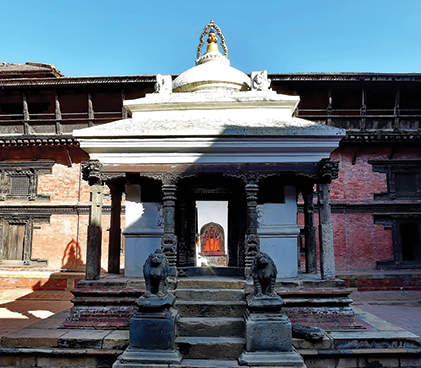
Mani Keshav Narayan Chowk is an impressive courtyard now housing the Patan Museum. It was once part of the royal palace complex and has been beautifully restored to display its original grandeur. The courtyard is calm and peaceful, surrounded by finely detailed wooden windows and doors.
The Patan Museum, located within this chowk, presents a rich collection of traditional sacred art from Nepal. It showcases statues, carvings, and historical items that tell the story of Nepalese religion and craftsmanship. This place is perfect for those interested in both architecture and heritage.
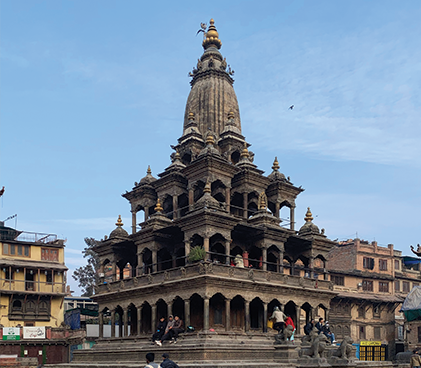
Krishna Mandir is one of the most important and visually striking temples in Patan Durbar Square. Built by King Siddhi Narsingh Malla in the 17th century, it is unique because it is constructed entirely from stone—a rare example of Shikhara-style temple architecture in Nepal. The temple is dedicated to Lord Krishna and features finely carved scenes from the Mahabharata and Ramayana on its walls. Devotees and visitors alike admire its artistic beauty, and it becomes especially vibrant during Krishna Janmashtami, the birthday of Lord Krishna, when it is filled with worshippers and festivities.
_1744974666.png)
The Ghanta or Big Bell is a prominent feature of Patan Durbar Square, located in front of Taleju Temple. Installed by King Vishnu Malla in the 18th century, it was used to signal worship times and gather people during emergencies. Its loud ringing once echoed throughout the valley. This large bronze bell has become a symbolic structure within the square. Though no longer in active use, it stands as a reminder of the Malla kings’ rule and the structured civic life they maintained. It also adds to the aesthetic and historical value of the square.
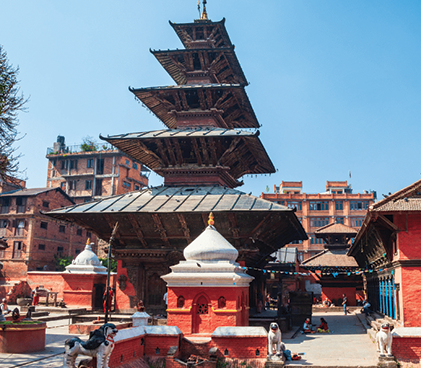
Kumbheshwor Temple is one of the oldest and tallest temples in Patan, located a short walk from the main square. It is a five-storied pagoda-style temple dedicated to Lord Shiva and is believed to date back to the 14th century. It stands tall and majestic, surrounded by smaller shrines and a sacred pond.
The temple is especially significant during the Janai Purnima festival, when thousands of devotees gather to worship and bathe in the holy pond, believed to be connected to Gosainkunda. The spiritual atmosphere and historical importance of Kumbheshwor make it a revered site for both locals and pilgrims.
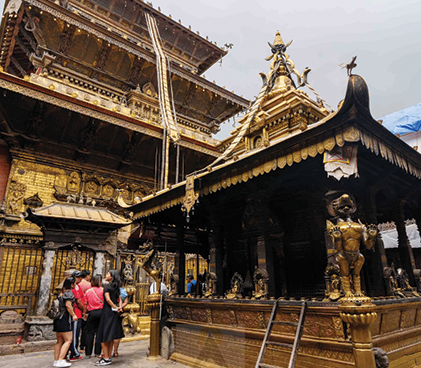
The Hiranya Varna Mahavihar, commonly known as the Golden Temple, is a sacred Buddhist monastery located in Patan. Despite its name, it is a traditional Newar Buddhist site, beautifully decorated with gilded statues and metalwork. The temple shines with golden panels and sculptures, creating a mesmerizing look.
The Mahavihar is an active place of worship and daily rituals are performed by young priests. Visitors are welcomed to observe the serene ambiance, spinning prayer wheels and marveling at the art. The blend of Buddhist and local Newar elements here showcases the spiritual diversity of Patan.